

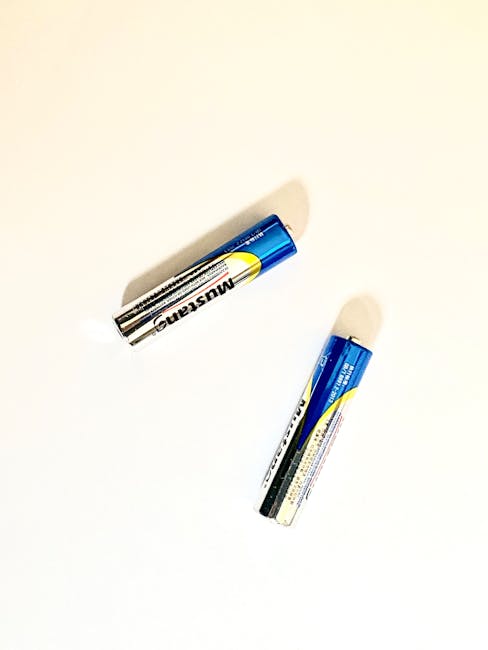
Have you ever wondered if electric screwdrivers need batteries just like your remote control or flashlight? If you’re planning to buy one or already own an electric screwdriver, understanding how it powers up can save you time and frustration.
Knowing whether your tool uses batteries, and what type, helps you keep it ready for any job. Keep reading, and you’ll discover the truth about electric screwdriver power sources—and how this knowledge can make your DIY projects smoother and more efficient.
Electric Screwdriver Power Sources
Electric screwdrivers rely on different power sources to deliver the torque and speed needed for various tasks. Understanding these power sources helps you pick the right tool for your projects. Whether you prefer the freedom of cordless models or the consistent power of corded ones, knowing the options can save time and frustration.
Corded Vs Cordless Models
Corded electric screwdrivers plug directly into an outlet, offering continuous power without worrying about battery life. This makes them ideal for extended work sessions where you need steady performance.
Cordless models use batteries, giving you the freedom to move around without being tethered to a power source. You can take them anywhere, but you’ll need to keep an eye on battery charge to avoid interruptions.
Think about your typical work environment. Do you have easy access to power outlets, or do you often work outdoors or in tight spots? Your answer can guide you toward the best model for your needs.
Battery Types Used
Most cordless electric screwdrivers use one of three battery types: Nickel-Cadmium (NiCd), Nickel-Metal Hydride (NiMH), or Lithium-Ion (Li-ion). Each has its pros and cons worth considering before making a purchase.
| Battery Type | Pros | Cons |
|---|---|---|
| Nickel-Cadmium (NiCd) | Affordable, durable in cold conditions | Heavier, memory effect reduces lifespan |
| Nickel-Metal Hydride (NiMH) | Higher capacity than NiCd, less memory effect | More expensive, shorter lifespan than Li-ion |
| Lithium-Ion (Li-ion) | Lightweight, high energy density, no memory effect | More expensive, sensitive to extreme temperatures |
In my experience, Li-ion batteries offer the best balance for everyday use. They recharge quickly and hold power longer, meaning less downtime. However, if you work in very cold conditions, NiCd batteries might serve you better despite being heavier.
Which battery type do you think fits your work style? Choosing the right power source can improve efficiency and make your tasks more enjoyable.
Battery Technology In Electric Screwdrivers
Electric screwdrivers rely heavily on battery technology to provide the power and portability that make them so convenient. Understanding the types of batteries used can help you choose the right tool for your needs and maintain it properly. Let’s break down the common battery technologies powering these handy devices and what you can expect from each.
Nickel-cadmium Batteries
Nickel-Cadmium (NiCd) batteries were once the standard in many power tools, including electric screwdrivers. They are known for being durable and able to deliver high current, which means strong, consistent power during use.
However, NiCd batteries suffer from a memory effect, where they lose capacity if not fully discharged before recharging. This can be frustrating if you don’t use your screwdriver regularly or if you keep topping off the charge.
Lithium-ion Batteries
Lithium-Ion (Li-ion) batteries have become the go-to choice in modern electric screwdrivers. They offer higher energy density, meaning they hold more charge in a smaller, lighter package.
Li-ion batteries don’t suffer from memory effect, so you can recharge them whenever convenient without losing capacity. Plus, they tend to last longer overall, making your screwdriver ready to go when you are.
Battery Life And Performance
Battery life depends on how much power your screwdriver uses and the battery’s capacity, usually measured in ampere-hours (Ah). Higher capacity batteries last longer but may add weight to your tool.
Performance can also decline if batteries aren’t properly maintained. Avoid leaving batteries fully drained or sitting unused for long periods, as this can reduce their lifespan.
Have you noticed your screwdriver’s battery running out too quickly? It might be time to check what type of battery it uses and how you’re charging it. Choosing the right battery and caring for it properly keeps your electric screwdriver working hard when you need it most.
Advantages Of Battery-powered Screwdrivers
Battery-powered screwdrivers offer several clear benefits that make them a popular choice for both professionals and DIY enthusiasts. Their design enhances the overall experience, making tasks smoother and more efficient. Let’s look at some of the key advantages that might change how you approach your next project.
Portability And Convenience
One major advantage of battery-powered screwdrivers is their portability. Without the need for a power cord, you can easily carry and use them anywhere—whether you're working outdoors, in the attic, or moving between rooms.
This freedom means you don’t have to worry about finding an outlet or dealing with tangled cords. Imagine fixing furniture in your backyard or assembling shelves in a room without nearby sockets. Battery-powered tools let you work without interruption.
Ease Of Use In Tight Spaces
Have you ever struggled to reach a screw in a cramped corner with a bulky tool? Battery-powered screwdrivers are usually compact and lightweight, making it easier to maneuver in tight spots.
The absence of a cord reduces the hassle of getting tangled or snagged on nearby objects. This makes tasks like installing cabinets or working inside small appliances more manageable and less frustrating.
Limitations Of Battery-powered Tools
Battery-powered electric screwdrivers offer great convenience and portability. Still, they have some limits that affect their use. Understanding these limitations helps in choosing the right tool for the task.
Battery Drain And Recharge Time
Battery-powered tools run on limited energy stored in batteries. This energy drains with use, causing the tool to stop working after some time. Recharge time varies depending on battery type and charger quality.
Waiting for batteries to recharge can slow down work progress. Carrying extra batteries helps, but adds weight and cost. Battery life also decreases over time, reducing tool efficiency.
Power Output Compared To Corded Tools
Batteries provide less power compared to corded electric tools. Corded tools get unlimited energy from an outlet, allowing continuous operation. Battery-powered tools may struggle with heavy-duty or long tasks.
This power difference affects the speed and strength of the screwdriver. Tasks needing high torque or long runtime often perform better with corded tools. Battery technology improves, but corded tools still lead in raw power.
Maintaining Electric Screwdriver Batteries
Maintaining the batteries of your electric screwdriver is crucial for keeping it reliable and powerful over time. Batteries can lose their efficiency if not cared for properly, which means your tool might not perform as expected when you need it the most. Taking a few simple steps can help you get the most out of your investment and avoid frustrating downtime.
Charging Best Practices
Charging your electric screwdriver’s battery correctly can make a big difference. Avoid leaving the battery on the charger for too long after it’s fully charged, as this can cause overheating and reduce battery life.
Try to charge the battery in a cool, dry place. Extreme temperatures, whether hot or cold, can damage the cells inside the battery.
Don’t wait until the battery is completely dead before recharging it. Charging it when it’s around 20-30% can help maintain its capacity over time.
Extending Battery Lifespan
Storing your electric screwdriver battery properly when not in use is just as important as charging it correctly. Keep the battery partially charged (around 50%) if you plan on storing it for weeks or months.
Avoid exposing the battery to moisture or direct sunlight, as both can cause internal damage. I once left a battery in a damp garage and noticed it wouldn’t hold a charge afterward.
Regularly cleaning the battery contacts with a dry cloth ensures good connectivity and prevents power loss. Have you checked your battery terminals recently? Sometimes, a simple wipe can improve performance immediately.
Choosing The Right Electric Screwdriver
Choosing the right electric screwdriver can save you time and frustration during your projects. It’s not just about picking any tool off the shelf; you want one that fits your specific needs and work style. Understanding key factors like battery life and tool power will guide you to a smarter choice.
Considering Battery Life
Battery life is crucial if you plan to use your electric screwdriver for extended periods. A longer-lasting battery means fewer interruptions to recharge and more consistent power during tasks.
Look for screwdrivers with lithium-ion batteries—they tend to hold charge longer and recharge faster. Also, check if the battery is removable; having a spare can keep your work going without delays.
Ask yourself: Will you be working in places without easy access to charging? If yes, prioritize higher battery capacity or consider models with fast-charging features. This small detail can make a big difference on the job.
Evaluating Tool Power And Features
Power affects how easily your screwdriver handles different materials. If you’re working with hardwood or metal, choose a tool with higher torque to avoid stripping screws or stalling.
Beyond power, pay attention to features like adjustable speed settings, LED lights for dark spaces, and ergonomic grips for comfort. These may seem minor but improve your control and reduce fatigue.
Consider your typical projects: Do you need a compact tool for tight spots, or a heavier-duty model for larger jobs? Matching features to your work style ensures your screwdriver feels like an extension of your hand, not a burden.
Frequently Asked Questions
Do Electric Screwdrivers Always Use Batteries?
Yes, most electric screwdrivers use batteries for power. Battery-powered models offer portability and convenience for various tasks.
What Type Of Batteries Do Electric Screwdrivers Use?
Electric screwdrivers typically use lithium-ion or nickel-cadmium batteries. Lithium-ion batteries are lightweight, rechargeable, and offer longer runtime.
Can Electric Screwdrivers Work Without Batteries?
Electric screwdrivers without batteries need a direct power source. These corded models are less portable but provide continuous power.
How Long Do Electric Screwdriver Batteries Last?
Battery life depends on usage and type. Lithium-ion batteries generally last longer and can handle multiple tasks per charge.
Conclusion
Electric screwdrivers mostly use batteries for power and ease. Batteries let you work without cords or plugs nearby. They make the tool light and easy to carry around. Some models use rechargeable batteries, saving money and waste. Others might use regular replaceable batteries for quick swaps.
Choosing the right battery type depends on how often you use the tool. Battery power keeps these screwdrivers handy for many tasks. Overall, batteries are key to their convenience and mobility.

