

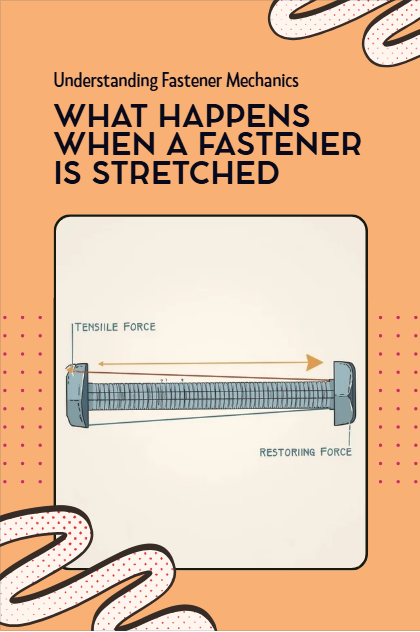
Have you ever wondered what happens when a fastener is stretched? It might seem like a simple piece of metal, but when tension is applied, the fastener actually tries to do something quite specific. When Stretched the Fastener Tries to What? That question reveals the hidden mechanics behind how fasteners maintain tension and hold materials together.
Understanding this behavior can save you from costly mistakes, whether you're working on a car, building furniture, or assembling machinery. Keep reading to discover exactly what your fastener is trying to do when stretched—and why knowing this can make all the difference in your projects.
Fastener Basics
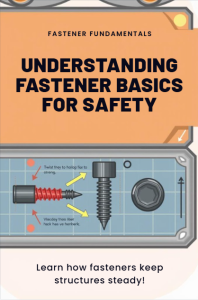
Fasteners hold parts together in countless objects around us. They create strong bonds by resisting forces like stretching and twisting. Understanding fastener basics helps explain how they work and why they behave a certain way under stress. Fasteners must balance strength and flexibility to keep structures safe and steady.
Types Of Fasteners
- Bolts – threaded and used with nuts
- Screws – screw directly into materials
- Nails – hammered into wood or soft materials
- Rivets – permanent fasteners that deform to hold parts
- Washers – spread load and protect surfaces
Materials Used
- Steel – strong and common in construction
- Stainless steel – resists rust and corrosion
- Brass – good for electrical uses and decoration
- Aluminum – light and corrosion-resistant
- Plastic – used in light-duty or non-metallic applications
Common Applications
- Construction – joining wood, metal, and concrete
- Automotive – holding engine parts and body panels
- Electronics – securing circuit boards and components
- Furniture – assembling parts for stability
- Household repairs – fixing appliances and fixtures
Forces On Fasteners
Fasteners hold parts together under different forces. Understanding these forces helps in choosing the right fastener. Fasteners face tension, compression, shear, and sometimes twisting forces. Among these, tensile force is common and important. It pulls the fastener apart. Knowing how fasteners react to tension improves safety and performance.
Tensile Forces Explained
Tensile force stretches a fastener along its length. It tries to pull the fastener apart. Fasteners resist this force by their material strength. The amount of force depends on the load applied. Fasteners must be strong enough to handle this pulling force.
Effects Of Stretching
Stretching causes the fastener to elongate slightly. This stretch stores energy inside the fastener. The fastener tries to return to its original length. If stretched too much, the fastener may deform permanently. In some cases, it can even break.
Stress And Strain
Stress is the force applied over an area inside the fastener. Strain is the change in length divided by the original length. Both stress and strain measure how the fastener reacts to forces. High stress or strain can lead to failure. Proper design keeps stress and strain within safe limits.
Fastener Behavior Under Stretch
Fasteners, such as bolts and screws, behave in specific ways when stretched. Their response depends on how much force is applied. Understanding this behavior helps in choosing the right fastener for the job. It also prevents failure in mechanical systems.
Elastic Deformation
Elastic deformation happens when a fastener stretches but returns to its original shape. The material bends slightly under stress but does not break. This stretching is temporary and reversible. It allows the fastener to absorb small shocks and vibrations. Elastic deformation keeps connections tight without damage.
Plastic Deformation
Plastic deformation occurs when the fastener stretches beyond its elastic limit. The material changes shape permanently and does not return. This can weaken the fastener and reduce its holding power. Excessive plastic deformation can lead to fastener failure. It signals that the fastener has been overstressed.
Limit Of Elasticity
The limit of elasticity marks the boundary between elastic and plastic deformation. It is the maximum stretch a fastener can endure without permanent change. Knowing this limit ensures safe and reliable fastener use. Engineers design fasteners to operate below this limit. Staying within this range avoids damage and maintains strength.
What Fasteners Try To Do When Stretched
Fasteners face stress when stretched during use. They respond in specific ways to handle this tension. Understanding these responses helps improve fastener design and application. Fasteners aim to keep parts together safely and reliably.
Returning To Original Shape
Fasteners try to bounce back to their original shape after stretching. This ability is called elasticity. It prevents permanent deformation and keeps the fastener functional. Elastic materials help fasteners recover quickly from stretching forces.
Maintaining Clamping Force
Fasteners work hard to hold parts tightly. Stretching can reduce the clamping force. Fasteners resist this by adjusting tension and pressure. Keeping clamping force stable stops parts from loosening or moving.
Preventing Failure
Fasteners avoid breaking by distributing stress evenly. They stretch within safe limits to prevent cracks or breaks. Proper material choice and design reduce the risk of failure. This ensures long-lasting and secure connections.
Factors Influencing Fastener Response
When a fastener is stretched, its response depends on several key factors. Understanding these can help you predict performance and avoid failures. Let’s break down what really influences how a fastener behaves under tension.
Material Properties
The type of material a fastener is made from greatly affects how it stretches and holds up. Steel fasteners, for example, tend to have high tensile strength but may become brittle in extremely cold conditions. On the other hand, aluminum fasteners stretch more but might not support as much load.
Think about your last repair job—did you notice if the bolt felt stiff or a bit flexible? That sensation is all about material properties at work. You want to choose materials that match the demands of your project to avoid unexpected breaks.
Design And Geometry
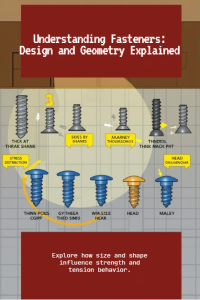
The shape and size of a fastener play a big role in how it reacts when pulled. A thicker shank can handle more stretch before failing, while thinner threads might strip under tension. The head design also matters; some shapes distribute stress better, reducing the chance of damage.
Ever wondered why some screws have different thread pitches? A finer pitch can mean better grip but might stretch less before snapping. Your choice here affects durability and safety, so paying attention to design details pays off.
Environmental Conditions
Fasteners do not work in isolation; their surroundings impact their stretching behavior. Exposure to moisture, temperature swings, or chemicals can weaken material strength over time. For instance, corrosion can cause a fastener to stretch more easily and fail prematurely.
Have you encountered rusty bolts that just wouldn’t tighten properly? That’s a clear example of environmental factors at play. Protecting fasteners with coatings or selecting corrosion-resistant materials can save you headaches later.
Testing And Measuring Stretch
Testing and measuring stretch in fasteners helps understand their strength and limits. Engineers use specific tools to see how much a fastener elongates under force. This information prevents failures in machines and structures.
Proper testing reveals how the fastener reacts when pulled. It shows if the material will stretch safely or break. Accurate measurement ensures safe designs and reliable performance.
Tension Testing Methods
Tension testing applies force to a fastener until it stretches or breaks. Machines pull the fastener slowly and record the force and elongation. This test shows the maximum stretch and strength of the fastener.
- Universal testing machines measure load and elongation precisely.
- Testing speed affects results, so it must be controlled.
- Tests follow standards to ensure consistent and comparable results.
Strain Gauges
Strain gauges are small sensors attached to fasteners. They measure tiny changes in length during stretching. The gauges convert stretch into electrical signals for easy reading.
- They provide real-time data on fastener strain.
- Strain gauges help detect early signs of material fatigue.
- Used in labs and field tests for accurate stretch monitoring.
Interpreting Results
Results show how much a fastener stretches before yielding or breaking. Engineers compare data to material limits and safety factors. This helps decide if the fastener suits the application.
- Elastic stretch means the fastener returns to original size.
- Plastic stretch means permanent deformation occurs.
- Excessive stretch signals possible failure and need for stronger fasteners.
Practical Implications
Fasteners play a crucial role in keeping structures, machinery, and equipment intact. When stretched beyond their limits, they react in ways that can impact safety and functionality. Understanding the practical implications of fastener behavior helps you make informed decisions about their usage and maintenance.
Torque Specifications
Using the correct torque is essential to prevent fasteners from overstretching. Torque specifications are usually provided by manufacturers to ensure optimal performance. When tightening a fastener, always use a calibrated torque wrench to achieve the recommended level of tightness.
Over-tightening can weaken the fastener, while under-tightening can lead to loose connections. Both scenarios can compromise the integrity of your assembly. Keep a copy of the torque chart handy for quick reference during installations.
Avoiding Overstretching
Overstretching fasteners can lead to permanent deformation, reducing their effectiveness. To avoid this, inspect fasteners regularly for signs of wear or strain. Pay attention to visible changes like elongation or cracks.
Consider replacing fasteners that show signs of overstretching, even if they appear functional. A damaged fastener can fail unexpectedly, putting your project or equipment at risk. Remember, prevention is always better than dealing with the consequences of failure.
Maintenance Tips
Regular maintenance ensures the longevity of fasteners and the safety of your assembly. Start by cleaning fasteners to remove dirt, grease, or corrosion. This helps in assessing their condition more accurately.
Lubricate moving parts to reduce friction and wear. Use anti-corrosion sprays for fasteners exposed to moisture or harsh environments. Always store spare fasteners in a dry, secure location to prevent rusting.
Would you rather invest time in maintenance or deal with the headache of unexpected failure? The choice is yours, but the right habits can save you money and stress in the long run.
Frequently Asked Questions
What Happens When A Fastener Is Stretched?
When a fastener is stretched, it resists deformation by creating tension. This tension secures objects together and prevents loosening under stress.
Why Does A Fastener Create Tension When Stretched?
A fastener creates tension due to its elastic properties. Stretching causes it to tighten, holding components firmly in place.
How Do Stretched Fasteners Affect Joint Strength?
Stretched fasteners enhance joint strength by increasing grip. This ensures stability and prevents slippage or separation during use.
Can Stretching Damage A Fastener?
Excessive stretching can damage a fastener. It may cause permanent deformation, reducing its effectiveness and compromising joint integrity.
Conclusion
Understanding how a fastener behaves under stress is crucial. It helps ensure safety, durability, and proper function in various applications. Stretched fasteners aim to maintain tension and hold components securely together. This knowledge can guide better choices in materials and designs.
Always consider the specific needs of your project when selecting fasteners. A well-informed decision prevents failures and promotes efficiency. Keep learning about these small but essential tools. They play a big role in structural integrity. Proper use makes all the difference in achieving reliable results.

