

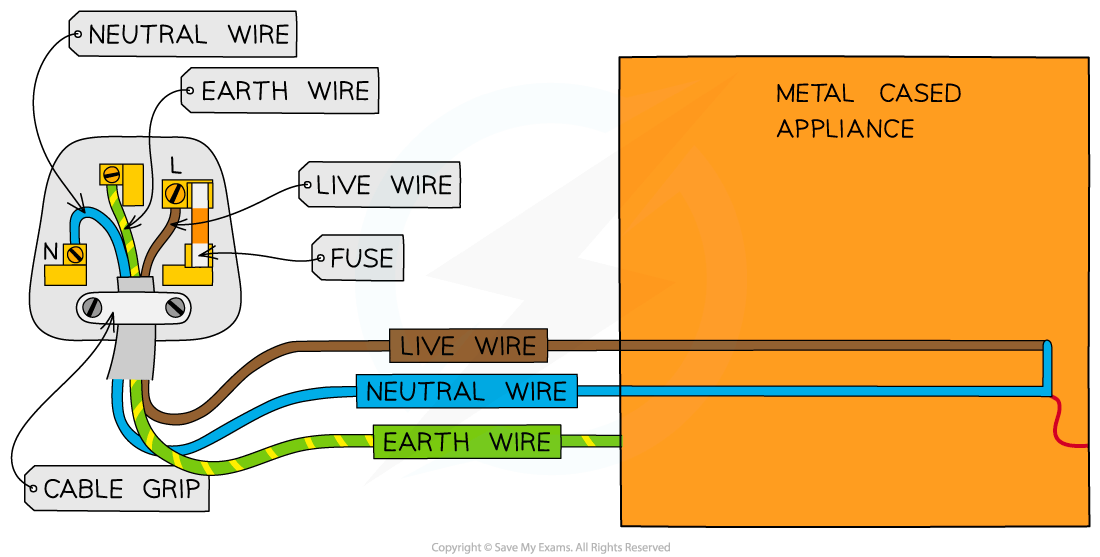
Have you ever wondered what protects your home from sudden electrical shocks or fires? A small device called a fuse plays a big role in keeping your family and belongings safe.
But how exactly does a fuse work as an electricity safety measure? Understanding this simple yet powerful component can help you feel more confident about the safety of your electrical system. Keep reading, and you’ll discover how a fuse acts quickly to prevent damage, why it’s essential for your everyday safety, and what happens when it does its job right.
This knowledge could make all the difference in avoiding costly repairs or dangerous accidents.
Role Of A Fuse In Electrical Safety
A fuse plays a crucial role in protecting your home and devices from electrical damage. It acts as a simple but effective safety guard that prevents wires and appliances from overheating or catching fire. Understanding how a fuse works can help you appreciate why it’s an essential component in any electrical system.
Basic Function Of A Fuse
A fuse is designed to stop the flow of electricity when the current exceeds a safe level. Inside the fuse, there’s a thin metal wire or strip that melts if too much current passes through it. This melting breaks the circuit, cutting off electricity and preventing potential hazards like short circuits or fires.
Think about the last time a fuse blew in your home. It might have been annoying, but that small interruption likely saved your appliances or wiring from serious damage. Could you risk ignoring such a simple safety feature?
Types Of Fuses Used In Circuits
Fuses come in various types, each suited for specific uses and electrical loads. Some common types include:
- Cartridge Fuses:Cylindrical shape, used in household and industrial circuits.
- Blade Fuses:Flat and easy to replace, commonly found in automobiles.
- Glass Tube Fuses:Transparent and allow quick inspection of the wire inside.
- Resettable Fuses:These don’t need replacement; they reset automatically after tripping.
Choosing the right fuse type depends on the electrical device and the level of protection required. Have you checked if your devices use the right kind of fuse? It might be worth your time to ensure your safety.

Credit: www.rockwallelectricheatingandair.com
How A Fuse Protects Electrical Systems
A fuse plays a crucial role in protecting your electrical systems from damage. It acts as a simple yet effective safety device that prevents electrical faults from escalating into dangerous situations. Understanding how a fuse works can help you appreciate the small but vital part it plays in your home or workplace.
Detecting Overcurrent Situations
A fuse is designed to sense when too much current flows through a circuit. Every electrical device has a limit to how much current it can safely handle. When that limit is exceeded, it creates an overcurrent situation that can lead to overheating and fires.
The fuse contains a thin metal wire or strip that heats up when current passes through it. If the current rises above the safe threshold, this wire melts quickly. By melting, the fuse detects the dangerous condition and prepares to act before harm occurs.
Interrupting Faulty Circuits
Once the fuse wire melts, it breaks the electrical connection. This interruption stops the flow of electricity immediately. Without this quick action, the excess current could damage devices, cause short circuits, or even start fires.
Think about the last time a fuse blew in your home. It was likely inconvenient, but it prevented a worse problem. Replacing the fuse restores safety and lets your system run normally again, showing how fuses give you control over electrical safety.
Common Fuse Materials And Designs
Fuses are vital for protecting electrical circuits from damage. Their effectiveness depends on the materials and designs used. Understanding common fuse materials and designs helps in choosing the right option for safety.
Metallic Elements In Fuses
Fuse wires are made from specific metals with low melting points. These metals include copper, silver, and zinc. Their low melting points allow them to break the circuit during excessive current flow. Copper is popular for its affordability and conductivity. Silver is used in high-performance fuses for its durability and efficiency. Zinc is often chosen for low-current applications due to its quick response to overloads.
Cartridge Vs. Blade Fuses
Cartridge fuses are cylindrical and used in household and industrial setups. They come in a metal or ceramic body for added durability. These fuses handle high-voltage and high-current applications effectively.
Blade fuses are compact and designed for automotive use. They have two prongs that fit into fuse holders easily. Blade fuses are color-coded based on their current rating for quick identification. Their lightweight design makes them suitable for vehicles and small electrical devices.
Selecting The Right Fuse For Safety
Choosing the right fuse for your electrical appliances isn’t just about functionality—it’s about safety. A fuse acts as a protective barrier, cutting off power when something goes wrong. But picking the wrong type or rating can lead to serious risks, from damaged devices to dangerous electrical fires.
Matching Fuse Ratings To Appliances
Every electrical appliance comes with a specific power requirement, usually mentioned in watts or amps. The fuse you select must match or slightly exceed this requirement. Using a fuse with a lower rating will cause it to blow unnecessarily, while a much higher-rated fuse won't provide adequate protection.
For instance, a hairdryer with a power rating of 2000 watts typically needs a 10-amp fuse. Installing a 5-amp fuse would cause constant interruptions, while a 13-amp fuse could fail to protect the device during a surge. Always check your appliance's manual or label for guidance.
Consequences Of Incorrect Fuse Use
Using the wrong fuse is more than just an inconvenience—it can be dangerous. A fuse with too high a rating won't blow during overloads, allowing excess current to flow. This can overheat wires, damage your appliance, or even spark a fire.
Conversely, installing a fuse that's too weak can lead to frequent disruptions. Imagine your refrigerator shutting down every few hours because the fuse keeps blowing. Not only is it frustrating, but it could also spoil your food and cost you money.
Take the time to match the right fuse to your appliances. It's a small step that can save you from significant safety and financial headaches. Is the fuse you're using today the best fit for your needs?
Installing And Maintaining Fuses
Installing and maintaining fuses is essential to keep your electrical system safe and functioning smoothly. A fuse acts as a protective barrier by breaking the circuit if the current is too high, preventing damage and hazards. However, the fuse can only do its job effectively if it’s installed properly and checked regularly.
Proper Installation Techniques
Installing a fuse correctly starts with choosing the right type and rating for your electrical setup. Using a fuse with the wrong amperage can either cause frequent blowing or fail to protect your system. Always check the manufacturer’s specifications and match the fuse to the device or circuit requirements.
When placing the fuse, ensure the holder or fuse box is clean and free from corrosion. A loose connection can cause overheating or intermittent power loss. Tighten the fuse securely but avoid over-tightening, which can damage the holder.
Have you ever experienced a fuse that keeps blowing even though the circuit isn’t overloaded? That often results from incorrect installation or a fuse that doesn’t fit well. Taking a few extra minutes to install it right can save you from repeated troubles.
Routine Inspection And Replacement
Regularly inspecting your fuses can prevent unexpected electrical failures. Look out for signs like discoloration, cracks, or a burnt smell around the fuse holder, which indicate the fuse or connection may be compromised. Don’t wait for a fuse to blow to check on its condition.
Replace fuses with the exact type and rating specified for your circuit. Using a higher-rated fuse can allow dangerous current levels that damage appliances or wiring. If you’re unsure, consult an electrician rather than guessing.
Make it a habit to include fuse checks in your home maintenance routine. Just like changing batteries in a smoke detector, replacing worn-out fuses protects your home and peace of mind. When was the last time you checked your fuses? It might be time to take a closer look.
Credit: www.premium-electric.ca
Fuse Vs. Circuit Breaker Comparison
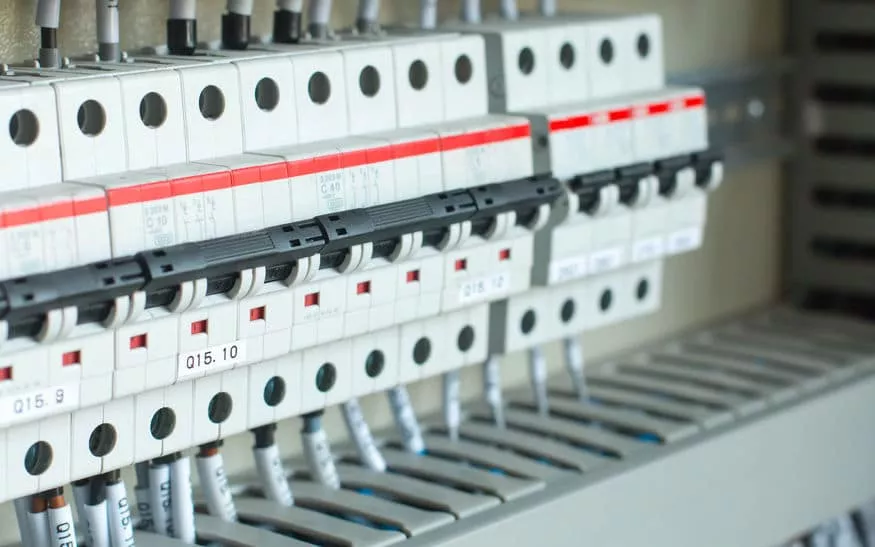
A fuse and a circuit breaker both protect electrical circuits from damage. They stop too much current from flowing, which can cause fires or damage devices. Understanding the key differences helps choose the right safety device. The fuse is simple and fast, while the circuit breaker offers resettable protection.
Advantages Of Fuses
- Fuses are small and cost less than circuit breakers.
- They react quickly to overcurrent, protecting circuits faster.
- Fuses do not need any manual reset after they blow.
- Simple design means fewer parts can fail over time.
- They provide clear visual indication when blown.
When To Choose Circuit Breakers
- Circuit breakers can be reset without replacement.
- They allow easy switching on and off of power.
- Circuit breakers handle higher current ratings safely.
- Better for complex or large electrical systems.
- Offers additional features like ground fault protection.
Practical Safety Tips For Fuse Use
Fuses are essential for protecting your electrical system from damage and ensuring your safety. However, using them correctly is equally important to avoid mishaps. Here are some practical safety tips to help you handle fuses properly and safeguard your home from electrical hazards.
Avoiding Overload Conditions
Overloading your electrical system is one of the quickest ways to blow a fuse. To avoid this, make sure you know the capacity of your fuse. For instance, if your fuse is rated for 15 amps, don’t connect devices that collectively exceed that limit.
Spread out your appliances across different circuits. Plugging everything into a single outlet can strain the fuse, leading to frequent failures. Use energy-efficient devices to reduce the overall load on your electrical system.
It’s also worth checking your wiring. Old or damaged wiring can increase the risk of overloads. If you’re noticing frequent blown fuses despite low usage, it might be time for a professional inspection.
Handling Blown Fuses Safely
A blown fuse can be unsettling, but handling it correctly minimizes risks. First, turn off the main power supply before attempting to replace the fuse. This simple step prevents electrical shocks or further damage.
When removing a blown fuse, wear insulated gloves for added safety. Inspect the fuse for visible damage, like blackened marks or broken filaments, to confirm it’s the source of the problem. Replace it with a fuse of the same rating to maintain proper protection.
After replacing the fuse, monitor your electrical system for any unusual behavior. If the new fuse blows immediately, there might be a deeper issue, such as a short circuit or faulty appliance. Don’t hesitate to call a licensed electrician to investigate further.

Credit: www.onesto-ep.com
Frequently Asked Questions
What Is A Fuse And How Does It Work?
A fuse is a safety device that prevents electrical overloads. It works by breaking the circuit when excessive current flows, protecting devices.
Why Is A Fuse Important For Electrical Safety?
A fuse prevents damage from short circuits and overloads. It safeguards appliances and reduces fire risks caused by overheating.
How Does A Fuse Protect Against Electrical Hazards?
A fuse melts when current exceeds its limit, stopping electricity flow. This prevents overheating and potential electrical fires.
Can A Fuse Be Reused After Blowing?
No, a blown fuse cannot be reused. It must be replaced with a new one of the same rating.
Conclusion
A fuse keeps electrical systems safe by stopping too much current. It melts quickly when there is a problem. This breaks the circuit and stops damage or fire. Using a fuse helps protect your home and devices. It is a simple but important safety tool.
Always check fuses regularly to ensure they work well. This small part plays a big role in safety. Understanding how a fuse works helps you stay safe every day.

