Have you ever wondered how workers stay safe in dangerous environments? Whether you’re on a construction site, in a hospital, or handling chemicals, your safety depends on one crucial factor: Personal Protective Equipment (PPE).
But what exactly is PPE, and why is it so important for you? Understanding the basics of PPE can protect you from serious injuries and even save your life. Keep reading to discover how the right gear shields you from risks you might not even see coming.
Your safety starts here.

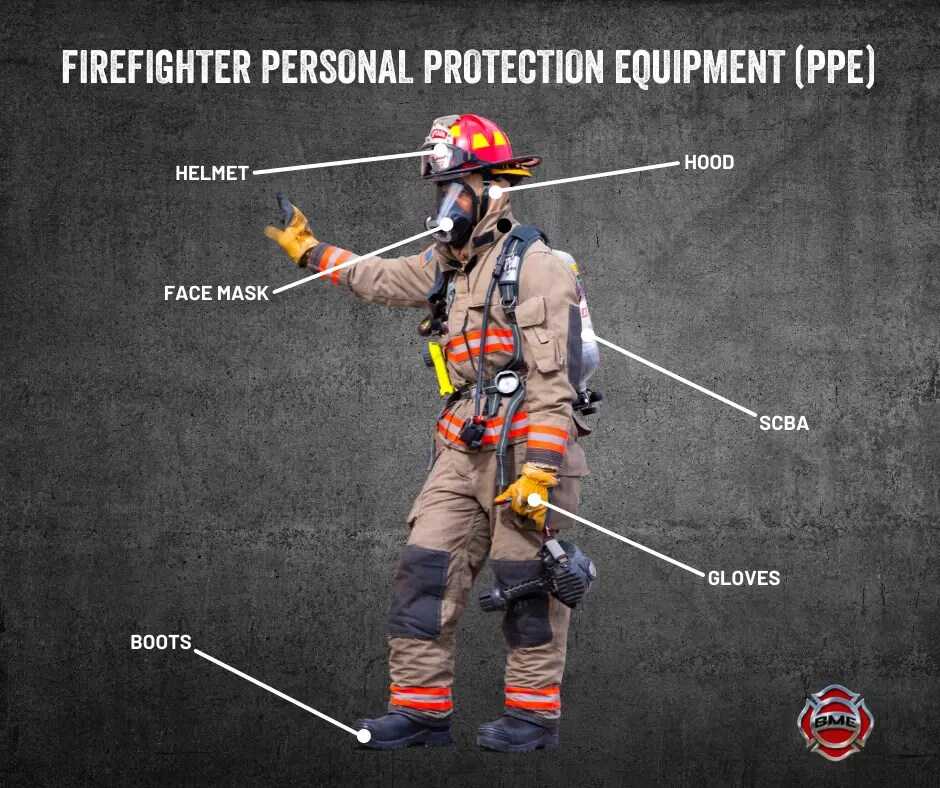
Credit: www.ishn.com
Purpose Of Personal Protective Equipment
Personal Protective Equipment (PPE) serves a clear and crucial purpose: to shield you from hazards that could cause injury or illness. It acts as a barrier between you and potential dangers in your environment, whether at work, home, or elsewhere. Understanding its purpose helps you appreciate why PPE is not just a recommendation but a necessity.
Protecting Against Physical Hazards
PPE guards you from physical injuries like cuts, burns, and impacts. For example, gloves protect your hands from sharp objects, while helmets prevent head injuries from falling debris. Have you ever thought about how a simple pair of safety glasses can save your eyesight?
Preventing Exposure To Harmful Substances
Some workplaces expose you to chemicals, dust, or biological agents. Masks, respirators, and protective clothing help stop these harmful substances from entering your body. Imagine how much safer you feel knowing that a mask can reduce your risk of breathing in dangerous particles.
Reducing The Risk Of Infection
PPE plays a vital role in healthcare and other settings by lowering the chance of infection. Wearing gloves, gowns, and face shields creates a barrier that stops germs from spreading. When you use PPE correctly, you protect not just yourself but also those around you.
Enhancing Comfort And Confidence
Wearing the right PPE can make you feel more secure and focused on your tasks. When you know you’re protected, you work more confidently and efficiently. Have you noticed how a well-fitted safety harness can help you concentrate on the job rather than worrying about a fall?
Compliance With Safety Regulations
Using PPE ensures you meet legal safety standards set by authorities. This protects you from penalties and helps maintain a safe workplace culture. Are you aware that neglecting PPE can lead to serious fines or even shutdowns?
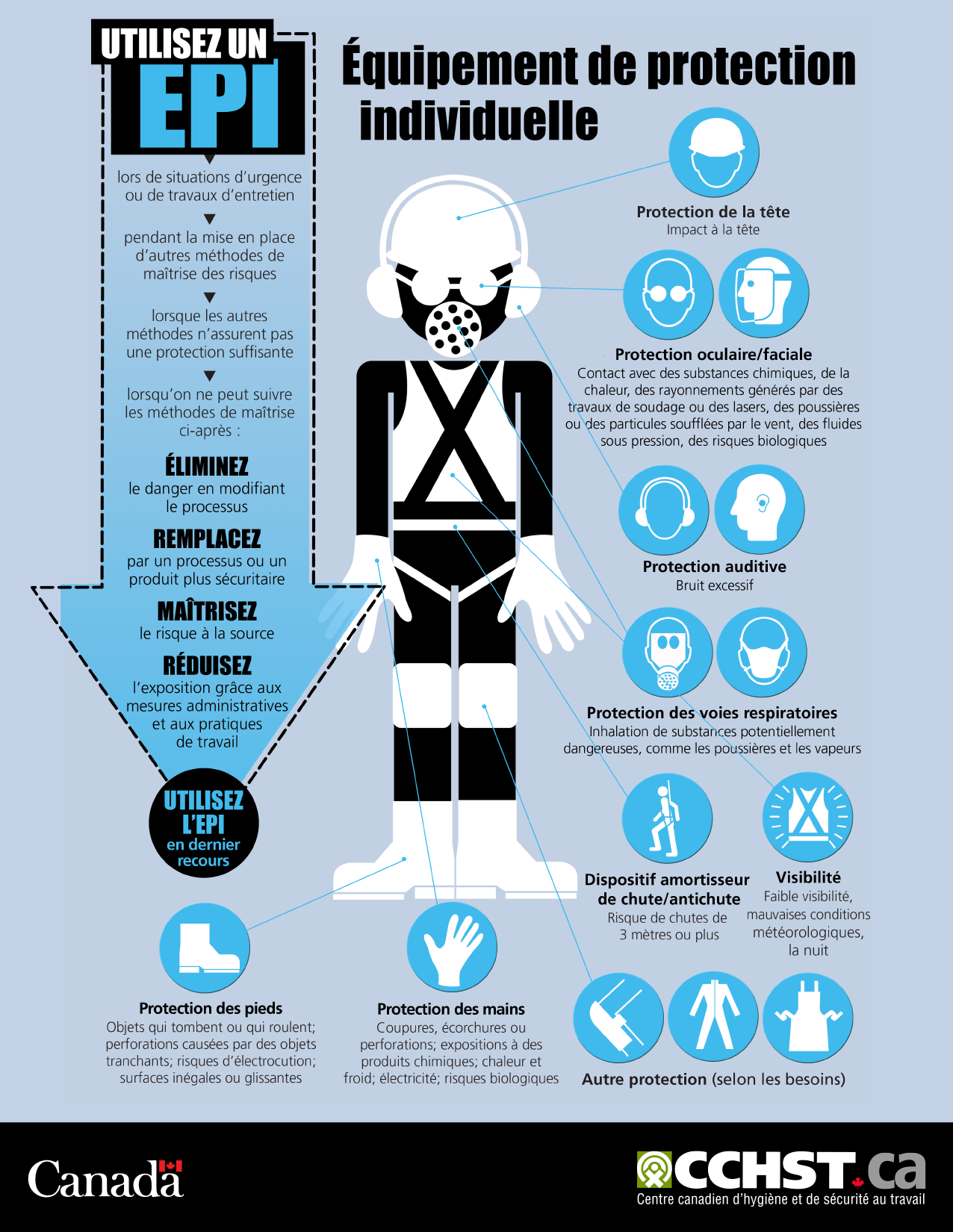
Credit: www.ccohs.ca
Types Of Personal Protective Equipment
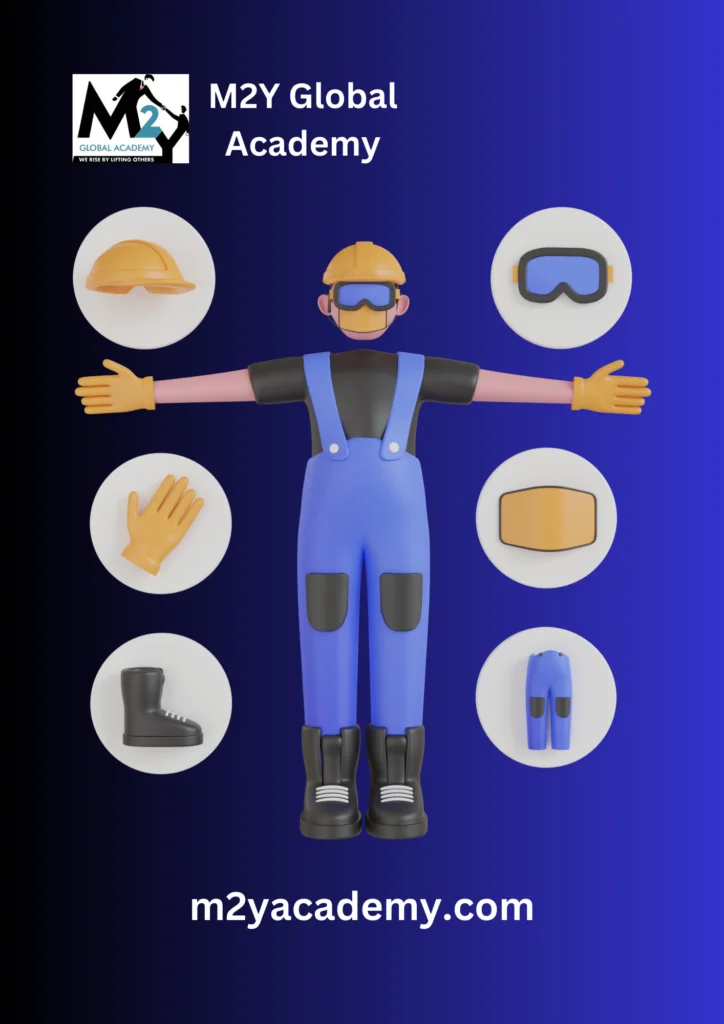
Personal Protective Equipment (PPE) covers many different tools and clothing. Each type protects a specific part of the body. Choosing the right PPE depends on the risks present in the workplace or activity. Understanding the types helps in picking suitable protection.
Head Protection
Head protection guards against falling objects and bumps. Hard hats and helmets are common examples. They reduce the chance of serious head injuries in many environments.
Eye And Face Protection
Eye and face protection keeps harmful substances and flying debris away. Safety glasses, goggles, and face shields serve this purpose. They help prevent eye injuries and skin burns on the face.
Hearing Protection
Hearing protection reduces noise levels that can damage ears. Earplugs and earmuffs are typical devices. Using them avoids hearing loss and ear pain in loud areas.
Respiratory Protection
Respiratory protection blocks harmful dust, fumes, and gases. Masks and respirators are designed for this role. They help workers breathe clean air and stay healthy.
Hand And Arm Protection
Hand and arm protection includes gloves and sleeves. They shield skin from cuts, chemicals, and heat. Different gloves suit different hazards, like chemicals or sharp tools.
Foot And Leg Protection
Foot and leg protection prevents injuries from heavy objects or sharp items. Safety boots and leg guards are common gear. They keep feet and legs safe during work.
Body Protection
Body protection covers the torso and sometimes the whole body. Items include vests, aprons, and full-body suits. They protect against chemicals, heat, and other dangers.
Selecting The Right Equipment
Selecting the right personal protective equipment (PPE) is essential for workplace safety. Proper PPE reduces the risk of injuries and protects employees from hazards. Choosing the wrong equipment can lead to discomfort or inadequate protection. Below, we explore key factors to consider when selecting PPE for your team.
Assessing Workplace Hazards
Identify potential risks in the work environment before choosing PPE. Analyze tasks, machinery, and materials to pinpoint hazards. Common risks include chemical exposure, falling objects, and loud noise levels. A thorough hazard assessment ensures that the PPE meets specific safety needs.
Consult with safety professionals or use workplace audits to evaluate risks. This step helps in selecting equipment that offers adequate protection. Regularly review hazard assessments to adapt to changing work conditions.
Considering Comfort And Fit
Comfort and fit are crucial for PPE effectiveness. Ill-fitting equipment can cause discomfort, leading to improper use. Ensure the equipment is available in various sizes to suit all employees. Adjustable straps and ergonomic designs improve wearability.
Involve employees in trial fittings to confirm proper sizing. Comfortable PPE encourages consistent use, reducing workplace injuries. Don’t overlook lightweight materials that offer protection without restricting movement.
Compliance With Safety Standards
Ensure all PPE meets local and international safety standards. Certified equipment guarantees reliable protection against workplace hazards. Look for markings or labels indicating compliance with regulations.
Use industry-specific standards to guide your selection process. For example, construction sites may require helmets certified for impact resistance. Regularly check for updated standards to maintain compliance.
Credit: m2yacademy.com
Proper Use And Maintenance
Proper use and maintenance of personal protective equipment (PPE) ensure its effectiveness. Incorrect handling can reduce protection and put users at risk. Regular care and attention are vital to keep PPE functional and safe.
Correct Wearing Techniques
Always follow the manufacturer's guidelines for wearing PPE. Ensure the equipment fits snugly but does not restrict movement. Adjust straps, buckles, or fasteners for a secure fit. Avoid using damaged or worn-out PPE.
Practice putting on and removing PPE in the correct order. This reduces contamination risk and maintains hygiene. For example, gloves should be the last item worn and the first removed.
Cleaning And Storage Tips
Clean reusable PPE after each use to remove dirt and contaminants. Use mild soap and water or recommended cleaning solutions. Avoid harsh chemicals that might damage the materials.
Store PPE in a clean, dry area away from direct sunlight. Use designated storage areas like lockers, cabinets, or shelves. Keep equipment away from sharp objects or heavy items that could cause damage.
Inspecting For Damage
Inspect PPE regularly for signs of wear, tears, or cracks. Check seams, fasteners, and straps for looseness or damage. Pay attention to small defects that could reduce protection.
Replace damaged PPE immediately to maintain safety. Do not attempt to repair critical protective equipment unless specified by the manufacturer.
Legal Requirements And Standards
Legal requirements and standards ensure personal protective equipment (PPE) keeps workers safe. They set clear rules on what equipment to use and how to use it. Employers must follow these rules to protect employees from hazards. These standards help reduce injuries and improve workplace safety worldwide.
Osha Regulations
The Occupational Safety and Health Administration (OSHA) sets PPE rules in the United States. OSHA requires employers to provide suitable PPE for hazards at work. Workers must be trained to use PPE correctly. OSHA standards cover many types of equipment like helmets, gloves, and eye protection.
Employers must:
- Assess workplace hazards
- Provide proper PPE
- Train employees on PPE use
- Maintain and replace PPE as needed
International Safety Standards
Many countries follow international PPE standards to keep workers safe. The International Organization for Standardization (ISO) creates global rules for PPE quality and performance. These standards help manufacturers make reliable protective gear.
Common international standards include:
- ISO 45001 for occupational health and safety management
- EN standards for PPE in the European Union
- ANSI standards in the United States
Following these standards ensures PPE works well across borders. It helps employers meet legal duties and protect workers everywhere.
Common Mistakes To Avoid
Personal Protective Equipment (PPE) is essential for safety, but many overlook key practices that can reduce its effectiveness. Avoiding common mistakes ensures your PPE truly protects you. Let’s look at what you should watch out for to keep your gear reliable and your safety intact.
Neglecting Regular Checks
Ignoring routine inspections of your PPE can lead to unnoticed damage or wear. Small cracks in helmets or tears in gloves may seem minor but can cause serious risks. Have you ever skipped a quick check only to find your equipment faulty during use? Make it a habit to inspect your gear before every use—your safety depends on it.
Using Inappropriate Ppe
Wearing the wrong type of PPE for a specific job puts you at risk. For example, using standard gloves when handling chemicals won’t protect you from burns. Ask yourself: does this equipment match the hazards I face? Always choose PPE designed for the exact conditions you encounter to avoid false security.
Ignoring Training And Instructions
PPE only works if you know how to use it properly. Skipping training or ignoring manufacturer instructions can lead to mistakes like improper fit or incorrect removal. Have you ever struggled with a mask that didn’t seal or boots that slipped? Taking time to learn correct usage protects you and maximizes the gear’s benefit.
Emerging Trends In Ppe
Personal Protective Equipment (PPE) has come a long way from basic gloves and masks. With advancements in technology and growing environmental concerns, PPE is evolving rapidly. These emerging trends are reshaping safety measures to be smarter and more sustainable.
Smart Ppe Technologies
Imagine PPE that not only protects you but also warns you of potential hazards. Smart PPE is making this possible. These innovations include helmets with built-in sensors, gloves that track hand movements, and vests that monitor heart rate.
One example is smart glasses equipped with augmented reality (AR). They can display critical information like emergency exits or live hazard alerts directly in your field of vision. This adds a layer of situational awareness, especially in high-risk jobs.
Have you ever wondered how PPE could communicate with other devices? Connected PPE is now a reality, syncing with smartphones and cloud systems to provide real-time data. This could be a game-changer for industries like construction and manufacturing.
Sustainable And Eco-friendly Materials
Traditional PPE often relies on materials that are hard to recycle and contribute to waste. The shift to eco-friendly materials is addressing this issue. Many companies are now using biodegradable or recyclable alternatives.
Take bamboo fiber as an example. It’s being integrated into safety gloves and masks for its natural durability and sustainability. This not only reduces environmental impact but also offers comfort for long hours of wear.
Have you ever thought about how much disposable PPE ends up in landfills? Some manufacturers are creating reusable options to cut down on waste. By investing in durable PPE made from sustainable materials, you contribute to a greener planet while staying protected.
Frequently Asked Questions
What Is The Purpose Of Personal Protective Equipment?
Personal protective equipment (PPE) protects individuals from hazards in workplaces. It reduces risks of injury, illness, or exposure to harmful materials.
What Are Common Types Of Personal Protective Equipment?
Common types of PPE include helmets, gloves, goggles, masks, earplugs, and protective clothing for workplace safety.
Why Is Personal Protective Equipment Important?
PPE is crucial for ensuring safety in hazardous environments, preventing injuries, and complying with workplace safety regulations.
Who Should Use Personal Protective Equipment?
PPE should be used by workers in industries like construction, healthcare, manufacturing, and laboratories to minimize exposure to risks.
Conclusion
Personal Protective Equipment keeps workers safe every day. It stops injuries and lowers risks at work. Wearing the right gear matters a lot. Safety helmets, gloves, and masks protect different body parts. Knowing what PPE to use helps prevent accidents.
Always check your equipment before starting work. Staying safe means staying alert and prepared. Protect yourself and others by using PPE properly. Safety is a simple step with great results. Keep your workplace safe and healthy.

