When it comes to protecting your eyes, not all personal protective equipment (PPE) is created equal. You might think every clear shield counts, but do you know which of these PPEs are safety glasses? Understanding the difference can make a huge impact on your eye safety.
Are you sure you’re wearing the right gear to shield your eyes from hazards? In this article, you’ll discover the key features that set safety glasses apart from other PPE and learn how to choose the best option for your needs.
Keep reading to ensure your eyes get the protection they truly deserve.
Types Of Ppe for Eye Protection
Eye protection is vital in many workplaces and activities. Various types of Personal Protective Equipment (PPE) safeguard the eyes from hazards like dust, chemicals, and impact. Choosing the right eye PPE depends on the risk and task. Understanding each type helps ensure proper protection and comfort.
Safety Glasses
Safety glasses protect against flying particles and light impacts. They look like regular glasses but have strong lenses and side shields. These glasses are common in construction, labs, and workshops. They allow good visibility and comfort for long use.
Goggles
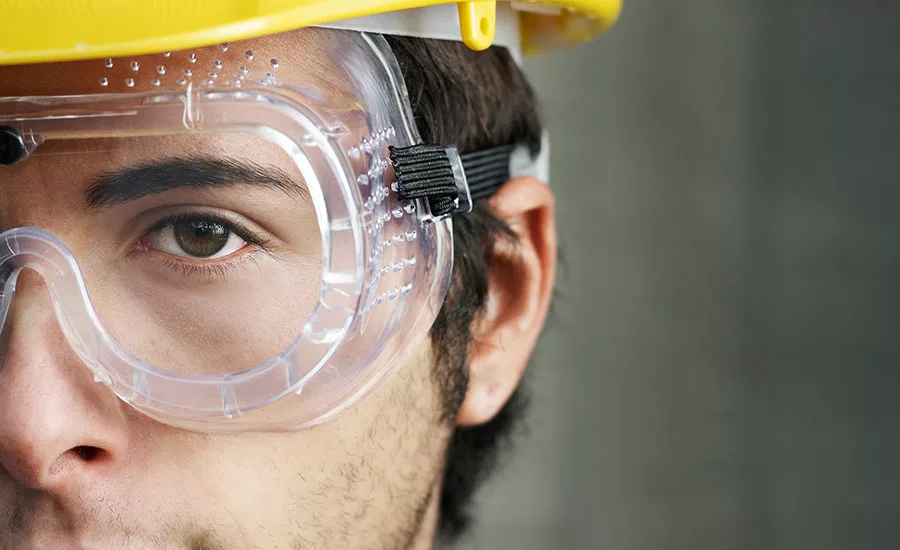
Goggles provide a tight seal around the eyes. They protect against dust, chemicals, and splashes. Goggles are ideal for environments with liquid hazards or airborne particles. Some goggles have ventilation to reduce fogging and keep vision clear.
Face Shields
Face shields cover the entire face, including eyes, nose, and mouth. They protect against chemical splashes, sparks, and strong impacts. Face shields are often used with other PPE like safety glasses for extra protection. They provide a clear, wide view while working.
Prescription Glasses
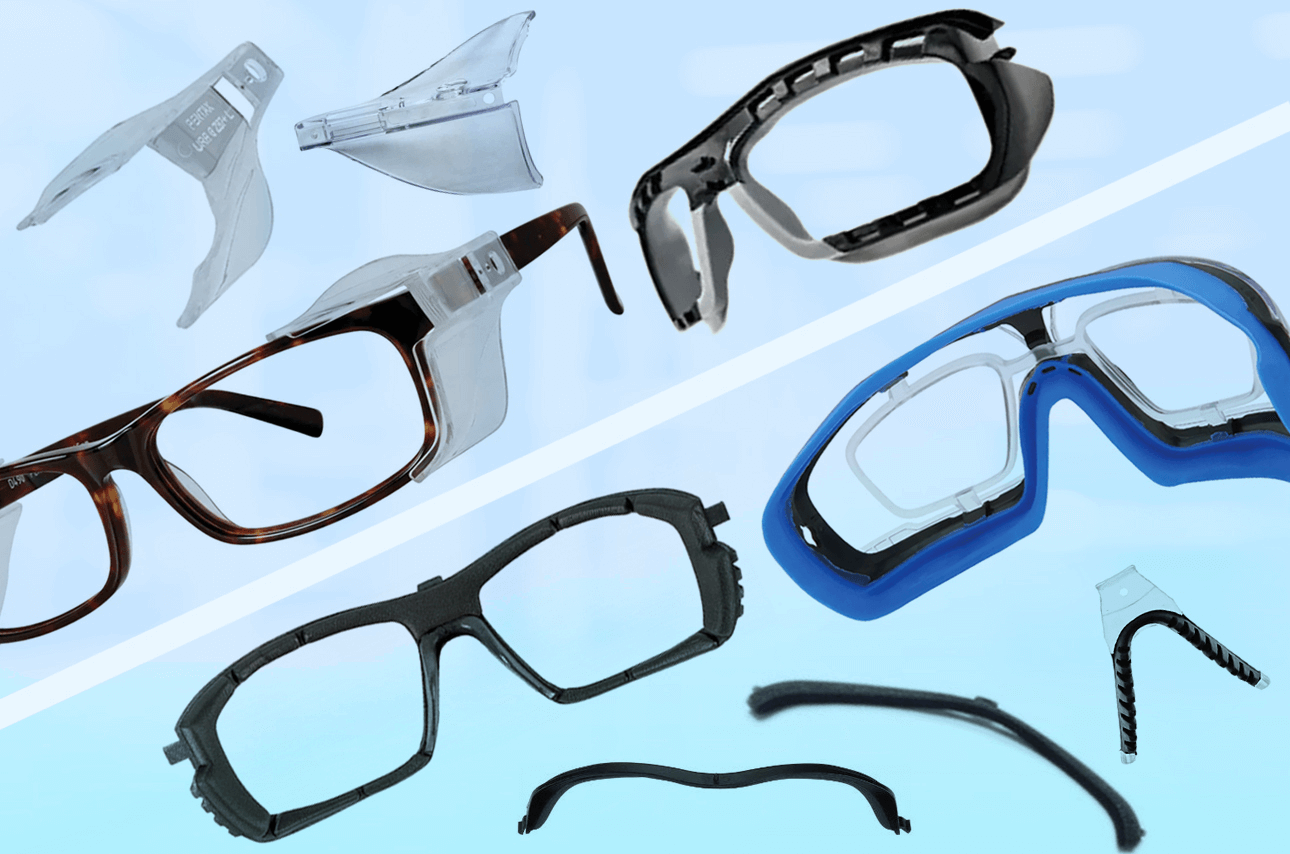
Prescription glasses with safety features combine vision correction and protection. They have impact-resistant lenses and side shields. These glasses help people who need vision support without sacrificing eye safety. They are useful in many industrial and lab settings.
Key Features Of Safety Glasses
Safety glasses are more than just eyewear; they are a critical barrier between your eyes and potential hazards. But what makes a pair of safety glasses truly effective? Understanding their key features will help you choose the right pair for your needs.
Impact Resistance
Impact resistance is perhaps the most essential feature of safety glasses. These glasses are designed to withstand high-velocity impacts, ensuring your eyes are protected from flying debris, tools, or accidental projectiles. Look for lenses that meet ANSI Z87.1 standards, as this certification guarantees they can endure tough conditions.
Uv Protection
Safety glasses aren't just for physical hazards—they also shield your eyes from harmful UV rays. Prolonged exposure to UV light can cause long-term damage like cataracts and macular degeneration. Opt for glasses with built-in UV protection, especially if you work outdoors or in environments with strong artificial lighting.
Anti-fog Coating
Fogged lenses can be both annoying and dangerous, especially in humid or temperature-changing environments. Glasses with an anti-fog coating maintain clear vision, allowing you to focus on your task without constant interruptions. This feature is particularly useful for jobs that require wearing masks or working in steamy conditions.
Comfort And Fit
Even the most protective glasses are useless if they’re uncomfortable to wear. Look for adjustable frames, cushioned nose pads, and lightweight materials to ensure a snug yet comfortable fit. A well-fitting pair reduces distractions and ensures you’ll keep them on when it matters most.
Which of these features do you prioritize most in safety glasses? Understanding your specific needs can make all the difference in protecting your vision effectively.
Top Safety Glasses Picks
When it comes to protecting your eyes on the job, not all safety glasses are created equal. The right pair can make a world of difference in comfort, durability, and protection. Let’s dive into some top safety glasses picks tailored to specific needs.
Best For Industrial Use
If your work involves heavy machinery, chemical exposure, or dusty environments, you need industrial-grade protection. Glasses like the 3M Virtua CCS Safety Glassesare a solid choice. They feature anti-fog lenses, wraparound protection, and even a foam gasket to block out debris.
Looking for something more versatile? Check out the Pyramex V2G Safety Glasses. They double as goggles and glasses, providing a snug fit and exceptional impact resistance. They’re perfect for welders, machinists, and construction workers who need reliable eye protection.
Best For Outdoor Work
Spending long hours under the sun? UV protection is a must. The Bolle Safety Rush+ Glassescombine sleek design with UV-blocking lenses, making them ideal for landscapers, roofers, or anyone working outside.
Another great option is the Wiley X Gravity Sunglasses. Not only do they offer 100% UV protection, but they also come with shatterproof lenses. These glasses are built to handle high-impact environments while keeping your eyes shielded from harmful rays.
Best Budget Options
On a tight budget? Affordable doesn’t mean compromising on safety. The Dewalt DPG54-1D Safety Glassesdeliver solid protection at a wallet-friendly price. They’re lightweight, scratch-resistant, and perfect for occasional use.
Another budget-friendly pick is the NoCry Safety Glasses. Priced under $15, these glasses offer adjustable frames and anti-fog lenses. They're a fantastic pick for DIYers or those who need backup safety eyewear.
Best For High Impact
High-impact environments demand glasses that can take a hit. The Oakley Industrial Det Cord Glassesare military-grade and ANSI Z87.1 certified. Their durable frame and ballistic protection make them a top choice for extreme conditions.
If you’re tackling intense tasks like demolition or high-speed grinding, consider the Pyramex I-Force Dual Pane Glasses. They feature dual-pane lenses for anti-fog performance and an impact-resistant design that holds up under pressure.
Which pair aligns with your needs? Your eyes deserve the best protection, so don’t settle for less. Choose the right safety glasses and work with confidence!
Credit: www.safetyeyeglasses.com
How To Choose The Right Safety Glasses
Choosing the right safety glasses is crucial for protecting your eyes effectively. The right pair not only shields you from hazards but also ensures comfort, so you’ll actually wear them consistently. Let’s dive into how you can make the best choice tailored to your work environment and needs.
Assessing Workplace Hazards
Start by identifying the specific risks around you. Are you dealing with flying debris, chemical splashes, or intense light? Knowing the exact threats helps narrow down the type of safety glasses you need.
For example, if you work in welding, you’ll need glasses with special filters to protect against intense UV and infrared light. On the other hand, jobs with dust or small particles require impact-resistant lenses.
Lens Material Selection
Not all lenses offer the same protection or comfort. Polycarbonate lenses stand out for impact resistance and lightweight feel, making them a popular choice across many industries.
Glass lenses provide excellent scratch resistance but can be heavier and more prone to shattering. Ask yourself: which lens material fits your daily tasks without compromising safety or comfort?
Frame Style Considerations
Frames aren’t just about looks—they affect fit and protection. Wraparound frames offer better side protection, which is essential if hazards come from multiple angles.
Consider adjustable nose pads and temple arms for a secure fit, especially if you wear the glasses for long hours. Ill-fitting glasses might tempt you to remove them, putting your eyes at risk.
Compliance Standards
Check that your safety glasses meet recognized safety standards like ANSI Z87.1 or EN166. These certifications confirm the glasses have passed rigorous testing for impact resistance and optical clarity.
Don’t underestimate this step—using uncertified glasses is like leaving your eyes unprotected. Are your current glasses up to standard, or is it time for an upgrade?
Maintenance And Care Tips
Maintaining your safety glasses properly extends their life and ensures they provide the protection you need every time you wear them. Neglecting care can lead to scratches, fogging, or weakened frames that compromise safety. Let’s dive into practical tips that keep your safety glasses in top condition.
Cleaning Techniques
Cleaning your safety glasses regularly removes dirt, oils, and debris that can obstruct your vision. Use a soft microfiber cloth and mild soap with water to gently wipe the lenses. Avoid harsh chemicals or paper towels, which can scratch or damage the lens coatings.
Have you ever tried cleaning your glasses with your shirt? It might seem convenient, but it often leaves smudges and scratches. Instead, rinse your glasses under lukewarm water first to remove grit before wiping them clean.
Storage Recommendations
Proper storage prevents your safety glasses from getting crushed or scratched when not in use. Keep them in a hard case or a dedicated pouch to protect the lenses and frames. Avoid leaving them on workbenches or inside pockets where tools or other items can cause damage.
Think about where you store your glasses at home or work. Are they safe from accidental drops or spills? A consistent, safe spot makes it easier to remember and maintain their condition.
When To Replace Safety Glasses
Safety glasses don’t last forever. Replace them if you notice deep scratches, cracks, or if the frames become loose or warped. These issues can reduce the glasses’ effectiveness and put your eyes at risk.
If you feel your vision is not as clear or if the glasses don’t fit securely anymore, it’s time for a new pair. Your eyes deserve protection that works perfectly every time you step into a hazardous environment.

Credit: www.thedriller.com

Credit: www.safetyandhealthmagazine.com
Frequently Asked Questions
What Types Of Ppe Qualify As Safety Glasses?
Safety glasses include eyewear designed to protect eyes from hazards. They have impact-resistant lenses and side shields to prevent debris entry. Common types are prescription safety glasses, goggles, and face shields.
How To Identify Genuine Safety Glasses?
Look for ANSI Z87. 1 certification on the frame or lens. Genuine safety glasses have durable materials, proper fit, and clear markings indicating compliance with safety standards.
Can Regular Glasses Be Used As Safety Glasses?
No, regular glasses lack impact resistance and side protection. Safety glasses are specially made to meet safety standards and protect against flying debris and chemical splashes.
Why Are Side Shields Important On Safety Glasses?
Side shields prevent particles from entering eyes from the sides. They enhance protection by covering gaps regular glasses leave exposed during hazardous tasks.
Conclusion
Safety glasses are essential for protecting your eyes during risky tasks. Choosing the right pair ensures better safety and comfort. Always check for proper fit, durability, and clear labeling. Safety glasses should meet industry standards for maximum protection. They are a vital part of personal protective equipment (PPE) across many jobs.
Prioritize quality when selecting glasses to avoid potential hazards. Proper care and usage can extend their lifespan and effectiveness. Protecting your vision should never be overlooked, no matter the activity. Stay safe and make informed decisions about your PPE.

