When should safety glasses be worn? It might seem obvious, but understanding the exact moments when eye protection is necessary can mean the difference between staying safe and facing serious harm.
Your eyes are incredibly fragile, and just one unprotected moment can lead to lasting damage. In this article, you’ll discover when safety glasses should be worn, why they matter, and how to use them correctly—whether you're at work, at home, or tackling a DIY project.
Keep reading to learn the simple habits that can protect your vision every single day.
Credit: www.instagram.com
Importance Of Safety Glasses
Safety glasses protect eyes from many dangers at work and home. They are a simple tool that prevents serious injuries. Wearing safety glasses is a smart habit that saves vision and avoids pain.
Preventing Eye Injuries
Safety glasses block dust, flying debris, and chemicals. They stop particles from hitting the eyes during tasks. Eye injuries can cause pain, infection, or even blindness. Using safety glasses lowers the risk of accidents drastically. They act as a shield against unexpected hazards.
Common Workplace Hazards
Many jobs have risks that affect the eyes. These include:
- Woodworking and metal cutting
- Handling chemicals and liquids
- Welding and grinding
- Construction and demolition
- Laboratories and healthcare
Each hazard can cause damage without proper eye protection. Safety glasses provide a barrier that keeps workers safe. They are essential in environments with dust, sparks, or harmful substances.
Situations Requiring Safety Glasses
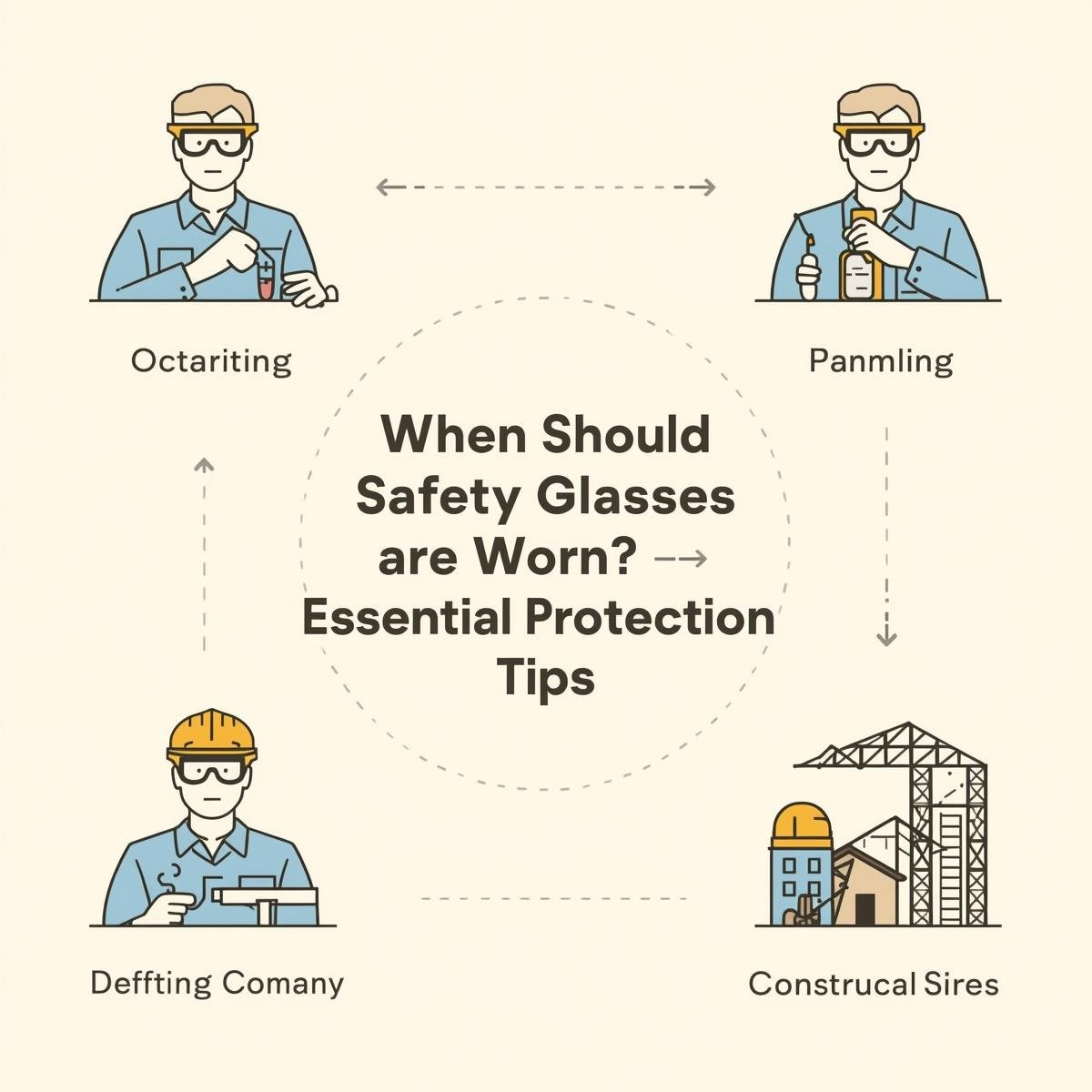
Safety glasses are essential in many environments to protect your eyes from injury. Knowing when to wear them can prevent accidents that cause lasting damage. Let’s look at some common situations where wearing safety glasses is not just recommended but necessary.
Handling Chemicals
When you work with chemicals, even a small splash can cause serious eye damage. Acids, solvents, and cleaning agents can burn or irritate your eyes instantly. Wearing safety glasses with side shields creates a barrier to stop harmful substances from reaching your eyes.
Have you ever experienced a chemical splash near your eyes? That moment shows how crucial eye protection really is.
Working With Power Tools
Power tools like drills, saws, and grinders throw off dust, sparks, and tiny debris. These particles can fly at high speeds and cause cuts or blindness. Safety glasses designed for impact resistance shield your eyes from these unexpected projectiles.
Don’t underestimate the force of a small metal shard—your eyes deserve better protection.
Construction And Demolition
Construction sites are full of hazards such as flying nails, dust clouds, and sharp fragments. Demolition work adds more risk with debris falling unpredictably. Safety glasses help you keep your vision safe in this chaotic environment.
Would you step onto a construction site without eye protection? The risks are simply too high.
Laboratory Environments
Lab work often involves handling volatile substances and glassware that can break unexpectedly. Even routine experiments can produce splashes or explosions. Wearing safety glasses minimizes the chance of eye injuries in these sensitive settings.
Think about how quickly an accident can happen in a lab. Are your eyes protected enough?
Outdoor Activities And Sports
Outdoor activities like biking, woodworking, or playing sports expose your eyes to dust, branches, and flying balls. UV rays also pose a risk during prolonged exposure to sunlight. Safety glasses with UV protection and impact resistance enhance your safety and performance.
Would you want to lose a game or a ride because of an avoidable eye injury? Protecting your eyes makes every activity safer and more enjoyable.
Types Of Safety Glasses
Safety glasses are essential for protecting your eyes in many environments. Choosing the right type ensures your eyes are shielded from specific hazards. Different tasks and workplaces require specific safety glasses designed for various risks. Below are the main types of safety glasses and their uses.
Impact-resistant Glasses
Impact-resistant glasses are designed to protect your eyes from flying debris. They are made with durable materials like polycarbonate. These glasses are ideal for construction, woodworking, and metalworking tasks. They help prevent injuries caused by sharp or fast-moving objects.
Chemical Splash Goggles
Chemical splash goggles protect your eyes from harmful liquid chemicals. They provide a tight seal around your eyes, ensuring no liquids seep through. These goggles are commonly used in laboratories and manufacturing industries. They also shield your eyes from irritating fumes and vapors.
Uv Protection Glasses
UV protection glasses safeguard your eyes from harmful ultraviolet rays. They are essential for outdoor jobs like welding or working under the sun. These glasses reduce the risk of eye damage and long-term vision problems. They are also suitable for people spending extended periods under UV light.
Prescription Safety Glasses
Prescription safety glasses combine vision correction and eye protection. They are designed for people who need corrective lenses while working in hazardous conditions. These glasses are available with impact-resistant and UV-protective lenses. They are customizable to suit individual vision needs.

Credit: www.youtube.com
Choosing The Right Safety Glasses
Safety glasses are essential in protecting your eyes from various hazards. Choosing the right pair ensures maximum protection and comfort during use. A well-selected pair enhances safety and reduces the risk of injury. Below are key factors to consider when selecting safety glasses.
Fit And Comfort
Safety glasses should fit snugly without causing pressure points. Poorly fitting glasses can slip, reducing protection and causing discomfort. Adjustable nose pads and temple arms improve the fit for different face shapes. Lightweight frames are preferable for extended wear, reducing fatigue. Always test the glasses to ensure they stay secure during movement.
Lens Material And Coatings
The lens material directly impacts durability and protection. Polycarbonate lenses are lightweight, shatter-resistant, and ideal for most applications. Anti-scratch coatings increase lens longevity, especially in dusty environments. Anti-fog coatings are crucial in humid or temperature-changing conditions. Tinted or UV-protected lenses offer additional eye safety in outdoor settings.
Compliance Standards
Always check for compliance with safety standards like ANSI Z87.1 or EN 166. These certifications ensure the glasses meet impact and hazard protection requirements. Certified glasses provide peace of mind and reliable protection. Look for the standard markings engraved on the frames or lenses.
Maintaining Safety Glasses
Maintaining your safety glasses is just as important as wearing them. Clean, well-stored glasses provide clear vision and reliable protection. Neglecting maintenance can lead to scratches, fogging, or damage that compromises safety.
Cleaning Tips
Clean your safety glasses regularly to keep the lenses clear and scratch-free. Use a soft microfiber cloth and lens cleaner designed for eyewear. Avoid using paper towels, tissues, or harsh chemicals as they can scratch or damage the coating.
Rinse your glasses with warm water before wiping to remove dust and grit. This simple step prevents scratching during cleaning. Have you noticed how a clean lens instantly improves your focus and safety?
Storage Recommendations
Store your safety glasses in a hard case when not in use. This prevents accidental drops or pressure that can warp the frames or lenses. Avoid leaving them in hot places like dashboards or direct sunlight, which can cause warping or fading.
If you don’t have a case, use a clean, dry cloth to wrap your glasses. Keep them in a consistent, safe place to avoid losing or damaging them. How often do you find your glasses scratched or bent because they were left unprotected?
When To Replace
Replace your safety glasses if the lenses are scratched, cracked, or fog permanently. Damaged lenses reduce visibility and weaken impact resistance. Frames that become loose, bent, or uncomfortable are also a sign it’s time for a new pair.
Check for any fading or peeling of anti-fog or UV coatings. Even if the glasses look fine, aging materials might not protect you properly. When was the last time you inspected your safety gear for wear and tear?

Credit: www.youtube.com
Promoting Eye Safety Culture
Creating a strong eye safety culture helps protect everyone at work. It makes safety a shared value, not just a rule. When safety glasses are part of daily habits, eye injuries drop. Promoting this culture means teaching, reminding, and supporting workers to wear protection always.
Training And Awareness
Regular training shows why safety glasses matter. Clear examples of risks make the message real. Simple instructions on how to wear and care for glasses help too. Training sessions should be short and easy to follow. Repeating key points keeps eye safety fresh in minds.
Encouraging Consistent Use
Encouragement builds good habits over time. Supervisors can praise workers who wear glasses correctly. Signs and reminders near work areas keep the need visible. Providing comfortable, well-fitting safety glasses removes excuses. Consistent use lowers accidents and creates a safer workplace for all.
Frequently Asked Questions
When Are Safety Glasses Required At Work?
Safety glasses are required at work when exposed to flying debris, chemicals, or hazardous particles that could harm your eyes.
Should Safety Glasses Be Worn During Diy Projects?
Yes, safety glasses should be worn during DIY projects involving tools, chemicals, or any activity posing risk to your eyes.
Are Safety Glasses Necessary For Outdoor Activities?
Safety glasses are necessary for outdoor activities like mowing, trimming, or sports where debris or impact risks exist.
Do Prescription Safety Glasses Offer The Same Protection?
Yes, prescription safety glasses provide the same protection as regular safety glasses, ensuring both vision correction and eye safety.
Conclusion
Wearing safety glasses protects your eyes from many risks. Use them during work that involves dust, chemicals, or flying objects. They help prevent serious injuries and keep your vision safe. Always choose the right glasses for the task you do.
Remember, eye safety is part of staying healthy and strong. Don’t wait for accidents to happen. Stay safe by wearing safety glasses whenever needed. Your eyes will thank you.

