
Imagine never fumbling for your keys again or worrying about someone copying your key to get inside. A biometric front door lock can give you that peace of mind.
It uses your unique fingerprint or face to unlock your door quickly and securely. If you want to protect your home and make entering easier, this technology is made for you. Keep reading to discover how a biometric front door lock can change the way you secure your home—and why it’s the smart choice for you.

Credit: www.amazon.com
How Biometric Locks Work
Biometric front door locks use unique body features to control entry. They scan parts like fingerprints or eyes to identify users.
This technology provides secure access without keys or codes. It reads and matches biometric data quickly to allow or deny entry.
Types Of Biometric Scanners
Biometric locks use different scanners to read unique features. Common types include fingerprint, facial, and iris scanners.
- Fingerprint scanners:Read the ridges on your finger.
- Facial scanners:Analyze the shape of your face.
- Iris scanners:Scan the colored ring around your pupil.
Enrollment Process
To use a biometric lock, first you must enroll your data. This means the lock records your unique body feature.
You place your finger, face, or eye close to the scanner. The device captures the details and stores them securely inside.
- Follow the lock’s instructions to scan your biometric data.
- Make sure the scanner captures clear and complete data.
- Your data is saved as a digital template for future checks.
Access Verification
When you try to enter, the lock scans your biometric feature again. It compares this scan with the stored data.
If the new scan matches the stored template, the lock opens. If not, the lock stays closed to protect your home.
- The scanner reads your biometric feature quickly.
- The system checks if it matches saved data.
- Access is granted only if the match is confirmed.
Credit: www.walmart.com
Benefits Over Traditional Locks
Biometric front door locks use your fingerprint or face to open the door. They offer many benefits compared to old-fashioned locks.
These locks make homes safer and easier to access without needing keys.
Enhanced Security
Biometric locks only open for recognized users. This stops strangers from entering your home.
They reduce the risk of break-ins since fingerprints and faces are hard to copy.
- Only registered users can unlock the door
- No risk of picking or bumping the lock
- Logs can track who entered and when
Convenience And Speed
Biometric locks open quickly with a simple touch or glance. You do not need to search for keys.
This saves time, especially when your hands are full or it is dark outside.
- Fast access without fumbling for keys
- No need to share or copy keys
- Works well for all family members
Eliminating Lost Keys
Biometric locks remove the problem of lost or stolen keys. You always have access with your fingerprint or face.
There is no need to replace locks or make new keys if someone loses theirs.
- No worries about forgetting or losing keys
- Stops unauthorized key duplication
- Easy to add or remove users digitally
Choosing The Right Biometric Lock
Biometric front door locks use your unique body features to keep your home safe. Choosing the right lock helps improve security and convenience.
There are many options available. Think about the features that fit your needs before buying a biometric lock.
Fingerprint Vs. Facial Recognition
Fingerprint locks scan your fingerprint to open the door. Facial recognition uses a camera to identify your face.
Fingerprint locks work well in many conditions. Facial recognition may have trouble in low light or if you wear glasses.
- Fingerprint locks are quick and reliable
- Facial recognition offers contactless entry
- Fingerprint sensors may need clean fingers
- Facial recognition can be affected by lighting
Compatibility With Smart Home Systems
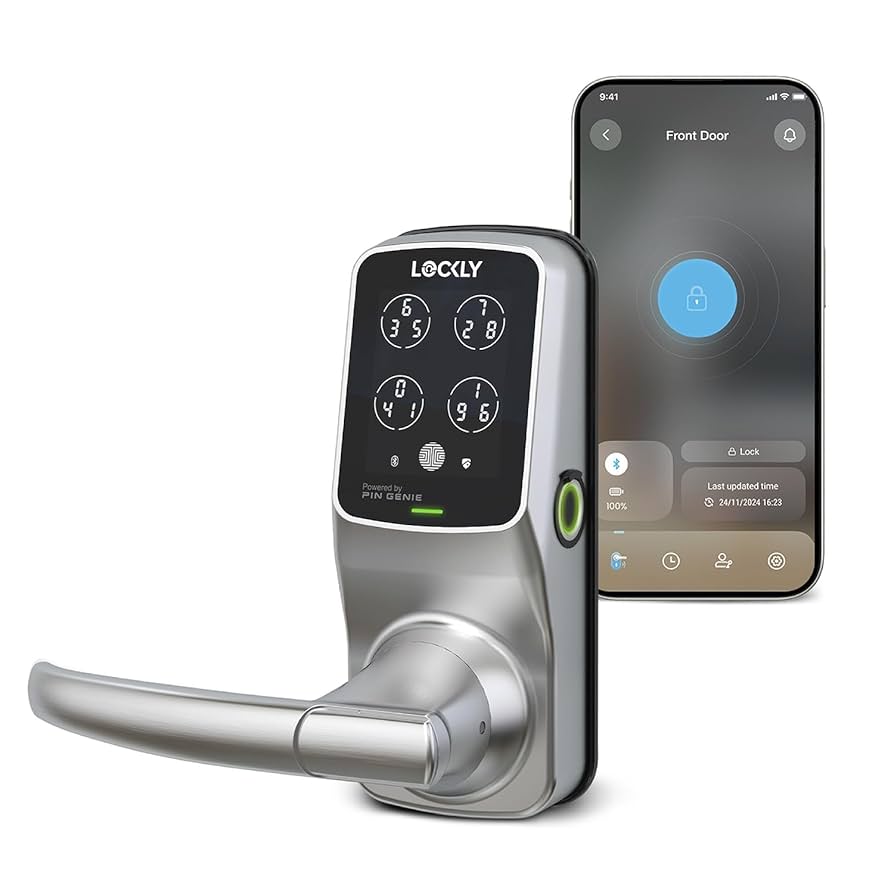
Some biometric locks connect with smart home devices. This lets you control your lock using your phone or voice commands.
Check if the lock works with systems like Alexa, Google Home, or Apple HomeKit. This helps keep all devices working together.
- Look for locks with Wi-Fi or Bluetooth
- Check supported smart home platforms
- Consider the app ease of use
- Make sure firmware updates are available
Battery Life And Power Options
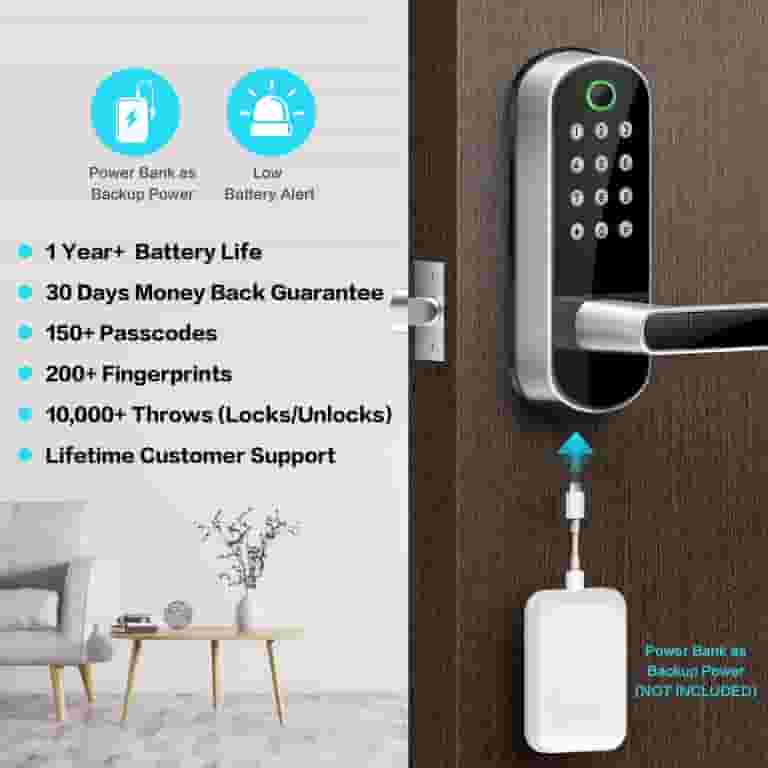
Biometric locks need power to work. Most use batteries that last from months to over a year.
Some locks have backup power options. This helps if the main batteries run out or if there is a power failure.
- Check battery type and life span
- Look for low battery alerts
- Consider locks with emergency power ports
- Choose models with easy battery replacement
Installation Tips
Installing a biometric front door lock needs care and attention. Proper setup helps the lock work well and last longer.
This guide shares tips for installing these locks safely and correctly. Follow the advice to keep your home secure.
Professional Vs. Diy Installation
Some people choose to install biometric locks themselves. Others hire a professional to do the job. Both ways have pros and cons.
DIY installation can save money but needs time and skills. Professionals have tools and experience to install faster and correctly.
- DIY installation may require reading manuals carefully.
- Professionals can handle wiring and adjustments easily.
- Incorrect installation might cause lock errors or damage.
- Professional installation usually includes warranty support.
Placement And Calibration
Place the biometric lock in a spot that is easy to reach and use. Avoid areas exposed to direct sunlight or rain.
Calibration is key for accurate fingerprint or face recognition. Follow the instructions to set up sensors and scan multiple angles.
- Choose a door that fits the lock’s size and type.
- Clean the sensor area before installation.
- Scan fingerprints or faces from different positions.
- Test the lock several times after calibration.
Maintenance And Updates
Keep the lock clean and dry to avoid sensor problems. Regular maintenance helps the lock last longer and work better.
Check for software updates often. Updates fix bugs and improve security features of the biometric lock.
- Wipe sensors gently with a soft cloth.
- Replace batteries when the lock signals low power.
- Update lock firmware through the app or device menu.
- Re-register fingerprints or faces if recognition fails.
Potential Challenges
Biometric front door locks use fingerprints or other body data to allow entry. They offer good security but also bring some problems. These challenges can affect how well the lock works for you.
It is important to understand these issues before choosing a biometric lock. This helps you decide if it fits your needs and budget.
False Rejections And Acceptances
False rejection happens when the lock does not recognize an authorized user. This can cause frustration and delays. False acceptance occurs when the lock allows someone not authorized to enter. Both problems reduce the lock’s reliability.
- False rejection can happen due to dirty sensors or changes in fingerprints.
- False acceptance may occur if the sensor reads a fake fingerprint.
- Environmental factors like dirt, moisture, or damage affect accuracy.
Privacy Concerns
Biometric locks collect personal data such as fingerprints. This raises privacy issues. People worry about how this data is stored and used. If not protected well, data may be stolen or misused.
Some users feel uncomfortable sharing biometric data. Laws and regulations on data protection vary by region. It is important to check how the lock handles privacy before buying.
Cost Considerations
Biometric front door locks usually cost more than regular locks. The price includes the sensor, software, and installation. Maintenance and repairs can also add to the cost.
Higher cost may not fit all budgets. It is important to weigh the benefits against the price. Some cheaper models may lack features or have lower accuracy.
Future Trends in Biometric Security
Biometric front door locks are changing how we secure our homes. New technologies make these locks smarter and safer.
Future trends in biometric security focus on better accuracy and easier use. These improvements keep homes more protected.
Multi-factor Authentication
Multi-factor authentication uses more than one way to check your identity. This adds extra safety to biometric locks.
For example, a lock may need a fingerprint and a code. This makes it hard for strangers to enter your home.
- Fingerprint plus PIN code
- Face scan plus voice recognition
- Fingerprint and mobile app approval
Integration With Ai
Artificial intelligence helps biometric locks learn and improve over time. AI can spot unusual activity quickly.
AI also reduces false alarms by understanding normal user behavior. It makes the lock smarter and more reliable.
- Detects fake fingerprints
- Recognizes trusted users faster
- Alerts owners of suspicious attempts
Advancements In Sensor Technology
Sensors in biometric locks get better at reading fingerprints and faces. New sensors work well in low light and bad weather.
These sensors also use less power. This helps locks last longer without changing batteries often.
- High-resolution fingerprint scanners
- 3D face recognition sensors
- Improved infrared and optical sensors

Credit: www.amazon.com
Frequently Asked Questions
What Is A Biometric Front Door Lock?
A biometric front door lock uses unique physical characteristics, like fingerprints or facial recognition, for access. It enhances security by ensuring that only authorized individuals can enter. These locks are convenient, eliminating the need for keys. They are ideal for homeowners seeking advanced security solutions.
How Does A Biometric Lock Enhance Security?
Biometric locks enhance security by using unique biological features for access. Unlike traditional keys, biometrics are difficult to replicate, reducing unauthorized access. They provide reliable identification and minimize security breaches. This modern technology offers peace of mind and ensures only authorized individuals can enter your home.
Are Biometric Door Locks Easy To Install?
Yes, biometric door locks are generally easy to install. Most models come with user-friendly instructions and require minimal tools. Many homeowners can install them themselves without professional help. However, if you're unsure, hiring a professional can ensure proper installation. This ensures optimal functionality and security for your home.
Do Biometric Locks Require Regular Maintenance?
Biometric locks require minimal maintenance for optimal performance. Regularly clean the sensors to ensure accurate readings. Check for software updates to enhance security features. Occasionally, test the lock to ensure it functions correctly. Proper maintenance ensures longevity and reliability of your biometric front door lock.
Conclusion
Biometric front door locks offer strong security and easy access. They use your fingerprint, making keys unnecessary. These locks help keep your home safe from intruders. Installation is simple, and using them is quick. Many models come with extra features for convenience.
Choosing the right lock depends on your needs and budget. Smart security fits well with modern homes. Consider this upgrade to protect your family and belongings. It’s a smart step toward safer living.